
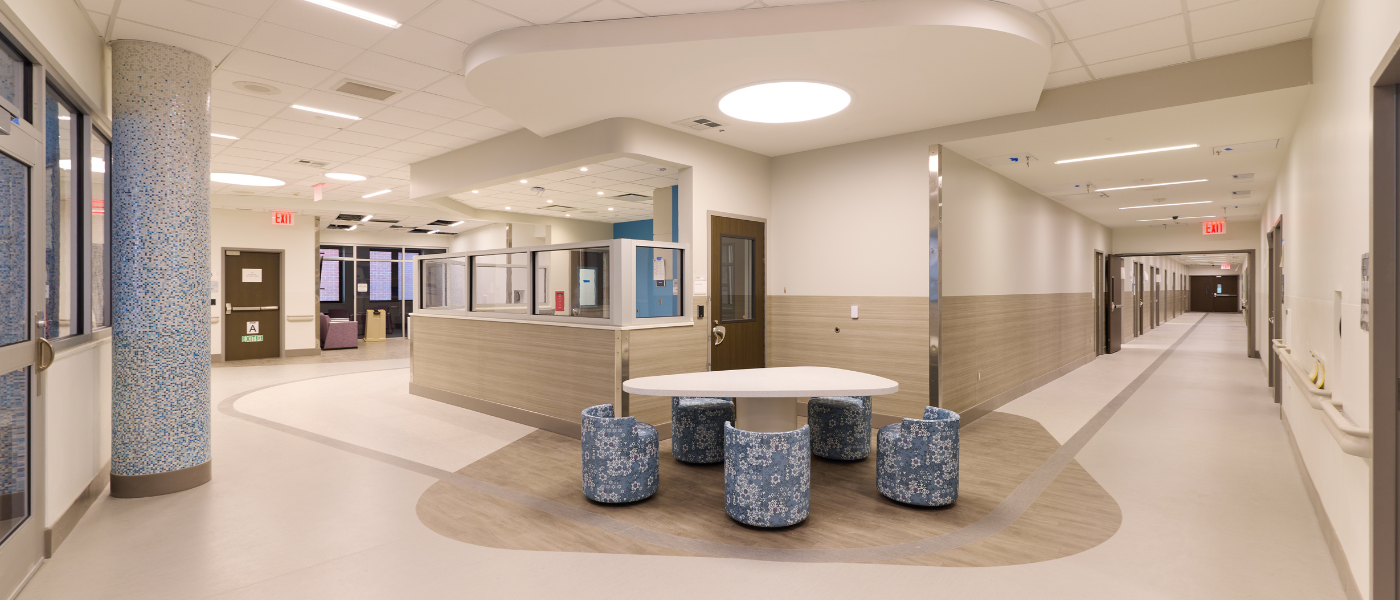
Healthcare leaders face mounting pressure to expand outpatient and specialty care quickly, cost-effectively and sustainably. Adaptive reuse—the conversion of old or existing buildings for new purposes—offers a proven solution. At Consigli, we’re helping healthcare clients expand their facilities through adaptive reuse to improve accessibility and deliver services to more remote communities.
Why Adaptive Reuse Should Be Considered
- Cost Efficiency: Adaptive reuse can reduce initial project costs by 20–40% by eliminating extensive site preparation, foundational work and their associated labor costs. Faster permitting and design cycles further lower early expenses.
- Speed-to-Market: Retrofitting existing structures typically shortens delivery by six to 12 months compared to new construction, allowing health systems to respond rapidly to shifting demand.
- Sustainability: Repurposing buildings minimizes construction waste, preserves embodied carbon and leverages existing infrastructure for lower energy consumption.
Ensuring a Successful Adaptive Reuse
There are three key considerations for adaptive reuse healthcare projects—Site Selection, Design-Assist and Direct Purchase and Technology—that work together to mitigate risk and help convert commercial spaces into high-performing medical facilities with streamlined, patient-focused outcomes.
 Site Selection: Mitigating Risk, Maximizing Value
Success begins with selecting the right building. A proactive evaluation of base building conditions essential for healthcare use is critical. Key cost drivers include:
- Structural integrity and slab conditions for medical equipment
- Exterior wall and roof compliance for energy codes and rooftop units
- Infrastructure capacity for mechanical, electrical, plumbing and fire protection (M/E/P/FP)
- Ceiling heights to accommodate evolving technologies
- Elevator configurations for patient access
- Assessment of hazardous materials and subsoil risks

Design-Assist & Direct Purchase: Accelerating Delivery and Cost Certainty
Engaging design-assist partners early enables real-time collaboration with architects and engineers to proactively manage risk when repurposing an existing commercial space. This approach also secures market pricing early and aligns design decisions with targeted value goals.
M/E/P/FP & Structural Coordination: Early coordination between the construction team and design and engineering partners ensures structural modifications are identified before mechanical and electrical system tie-ins. This proactive alignment eliminates system conflicts prior to construction, resulting in smoother installations, especially when working in an existing space.
Maintenance Efficiencies: Design-assist collaboration also optimizes the shop drawing process with Facilities personnel in mind by incorporating maintenance clearances and strategically locating maintained components. This foresight minimizes clashes and change orders during construction and supports a patient-focused maintenance strategy upon project completion.
Designing for Prefabrication: Prefabrication accelerates schedules and reduces costs while removing labor from the jobsite by assembling building components in a controlled, off-site environment. When cost certainty and speed are driving factors, particularly on projects that feature repetitive elements like exam rooms, exterior skin and curtainwalls and corridor M/E/P racks, prefabrication enhances installation speed and precision. Prefabrication brings specialized trades early into the design process, allowing them to provide input, reduce changes and improve installation speed.
Direct Purchase of Equipment: Direct purchase of critical M/E/P equipment helps adaptive reuse teams stay ahead of long lead times, supply chain challenges and cost escalation. Locking in major equipment early keeps the schedule steady and gives transparency into pricing by receiving prices directly from the vendor. Confirming specifications upfront also supports better design coordination and creates a smoother, more integrated procurement process.

Technology: Driving Precision and Operational Excellence
Virtual Design and Construction (VDC) is essential for capturing existing building conditions and optimizing project workflows. Leveraging VDC enables adaptive reuse projects to achieve greater design precision, seamless coordination and overall quality.
Existing Conditions Review: In adaptive reuse, unknown building conditions can derail timelines and budgets. Reality capture technology, including 360° cameras, laser scanning and aerial drones, provides precise documentation of structural and façade details. This ensures accurate design development, seamless coordination and rigorous quality control by comparing the existing building to design models, reducing risk and costly surprises.
Digital Twins: Conversion projects require integrating modern healthcare infrastructure into spaces that likely were never designed for it. Digital twins—virtual building replicas combining 3D data with live inputs—allow teams to simulate real-world conditions and predict challenges before construction begins. This proactive approach helps identify structural and M/E/P/FP conflicts early, saving time, reducing costs and ensuring compliance.
Smart Infrastructure: Integrated Building Management Systems (IBMS) and Internet of Things (IoT) solutions centralize operations, improve energy efficiency and enhance patient experience—all critical for older structures with fragmented systems. IoT-enabled strategies can also optimize performance and sustainability, ensuring long-term adaptability for healthcare environments.
Where We’re Doing It
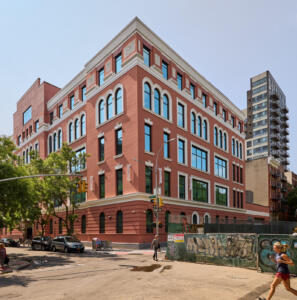
Mount Sinai Health System, Behavioral Health Center (BHC)
134,125 sq. ft. adaptive reuse of a historic late-1800s building into a 131-bed Behavioral Health Center in downtown Manhattan, featuring inpatient care, clinical spaces and support services. The project includes a full-gut renovation with structural upgrades, new M/E/P systems, six elevators and the addition of a cellar and rooftop penthouse level, transforming the existing structure into a modern healthcare facility.
New York Blood Center Enterprises, Consolidated Facility
187,000 sq. ft. adaptive reuse of a former headquarters building into an all-electric biotech research hub with labs, offices, blood donation center, warehousing and shipping areas. The project includes 55,000 sq. ft. of labs for blood testing, tissue culture, LN2/CO2 systems and a 5,700 sq. ft. vivarium. The design leveraged the existing structure’s 19-foot deck heights to accommodate extensive overhead M/E/P systems while still achieving 10-foot finished ceilings in lab areas.
Contact
 Raffaela Dunne, P.E., Market Director of Healthcare
rdunne@consigli.com | LinkedIn
As Market Director of Healthcare, Raffaela leverages more than three decades of engineering and construction experience to help leading healthcare systems plan and deliver complex, high-performing facilities, spanning ground-up development, occupied renovations and long-term campus master planning.