Columbia University
Maranamay at 611 West 112th Street
Project Overview
- Fast-track comprehensive renovation and restoration of an early 1900s landmark building
- First all-electric undergraduate residence hall for the University
- Extensive preconstruction planning and coordination with existing neighborhood tenants and an active adjacent elementary school
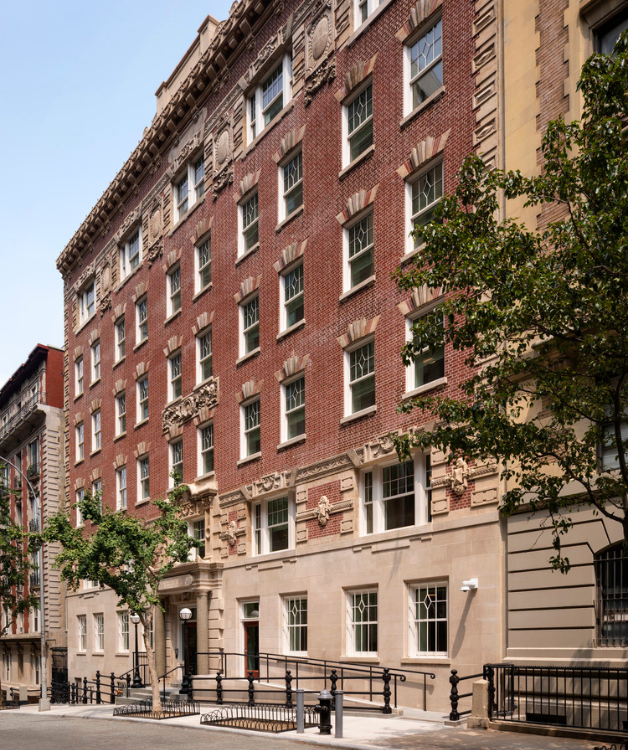
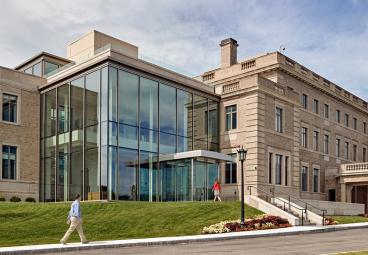
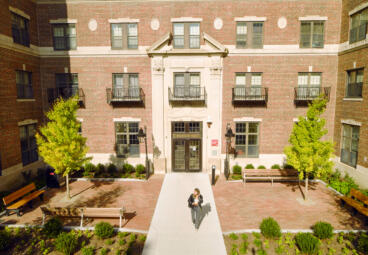
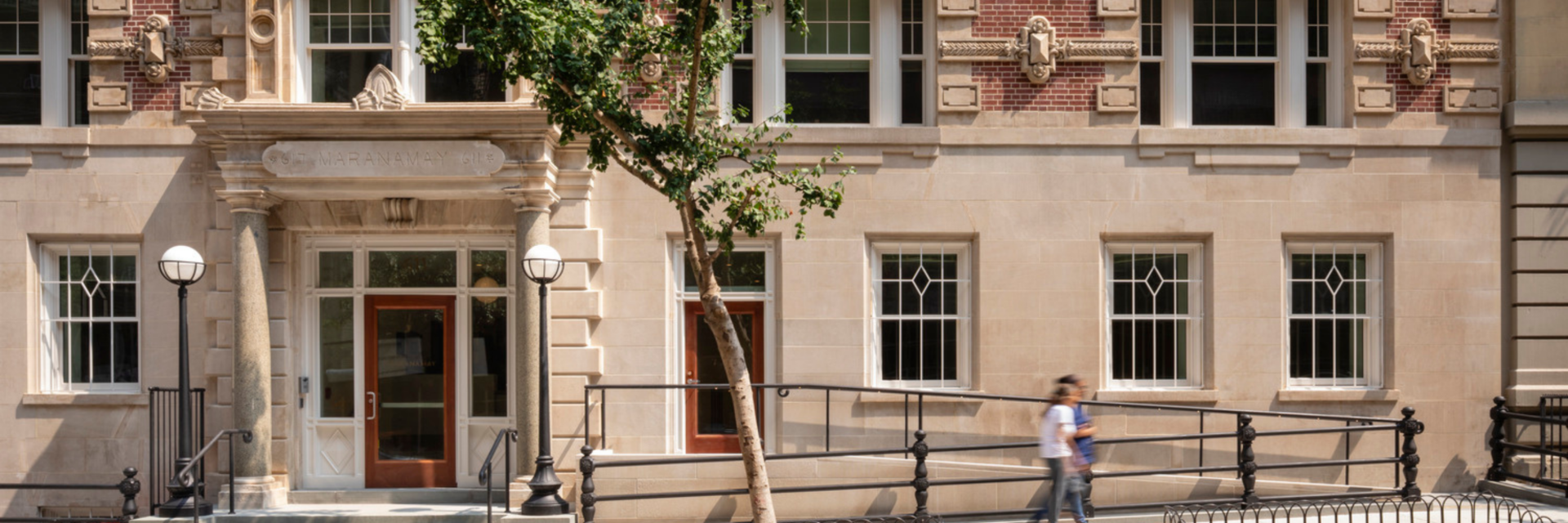
The renovation of the historic landmark building at 611 West 112th Street, originally constructed in 1904 and converted to Single-Room Occupancy housing in the 1940s, marks a significant transformation within the Morningside Heights Historic District. This new residence hall is a key component of Columbia University’s commitment to electrifying its portfolio as part of its net-zero initiative.
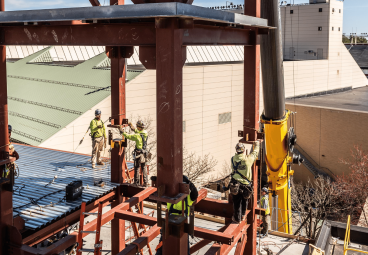
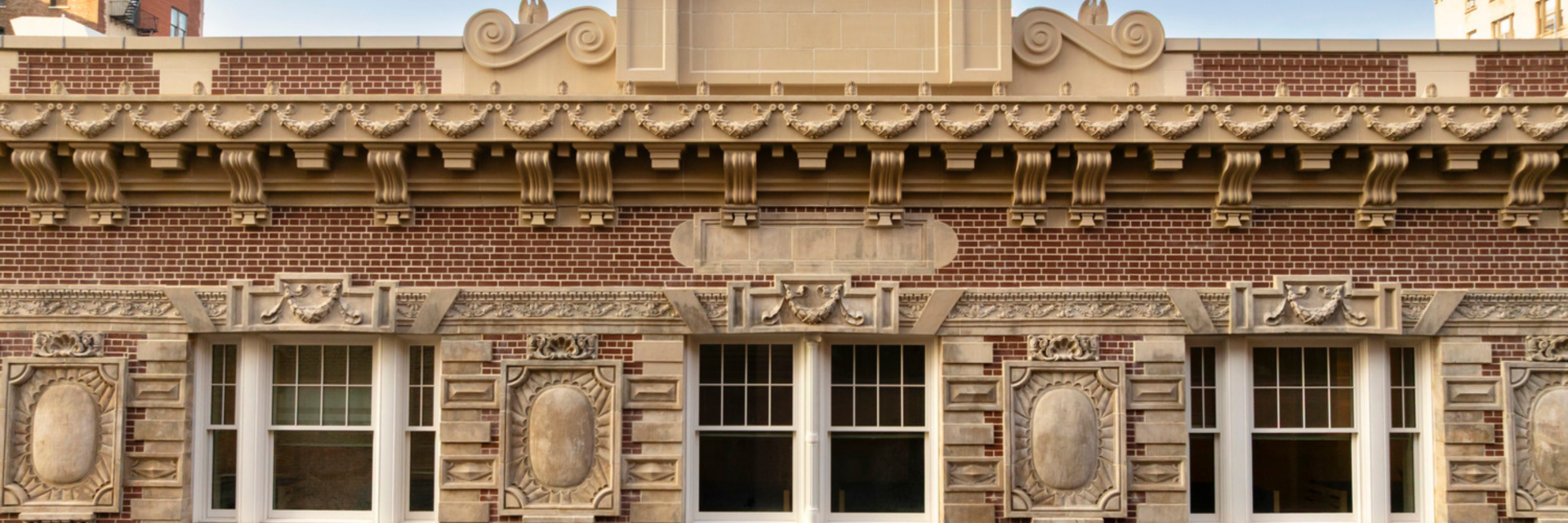
The fast-track project includes 83 student residences housing 160 students, communal spaces, and a dining area. The scope of the project involves comprehensive demolition, shoring, and the structural replacement of all floors and roofs, along with the installation of new interior finishes, lighting, and mechanical, electrical, and plumbing (M/E/P) systems. The building’s exterior was meticulously restored, including masonry repairs, window replacements and terracotta restoration. During the preconstruction phase, Consigli performed an extensive building investigation using laser scanning and existing conditions surveys. To ensure structural integrity, the existing perimeter masonry walls were shored and braced laterally before the complete demolition of all floors, roofs and parapets. Coordination with neighborhood tenants and the adjacent elementary school was essential to ensure safety and minimize disruptions throughout the project. The residence hall features all-electric Variable Refrigerant Flow (VRF) Heat Pumps, CO2 heat pumps, and a Dedicated Outside Air System (DOAS) with Energy Recovery to promote energy conservation. Additionally, the building envelope has been upgraded with improved insulation and high-performance Low-E coated double-pane windows to enhance energy efficiency. The project earned LEED Gold Certification, making it the first undergraduate residence hall at the University to achieve this designation.